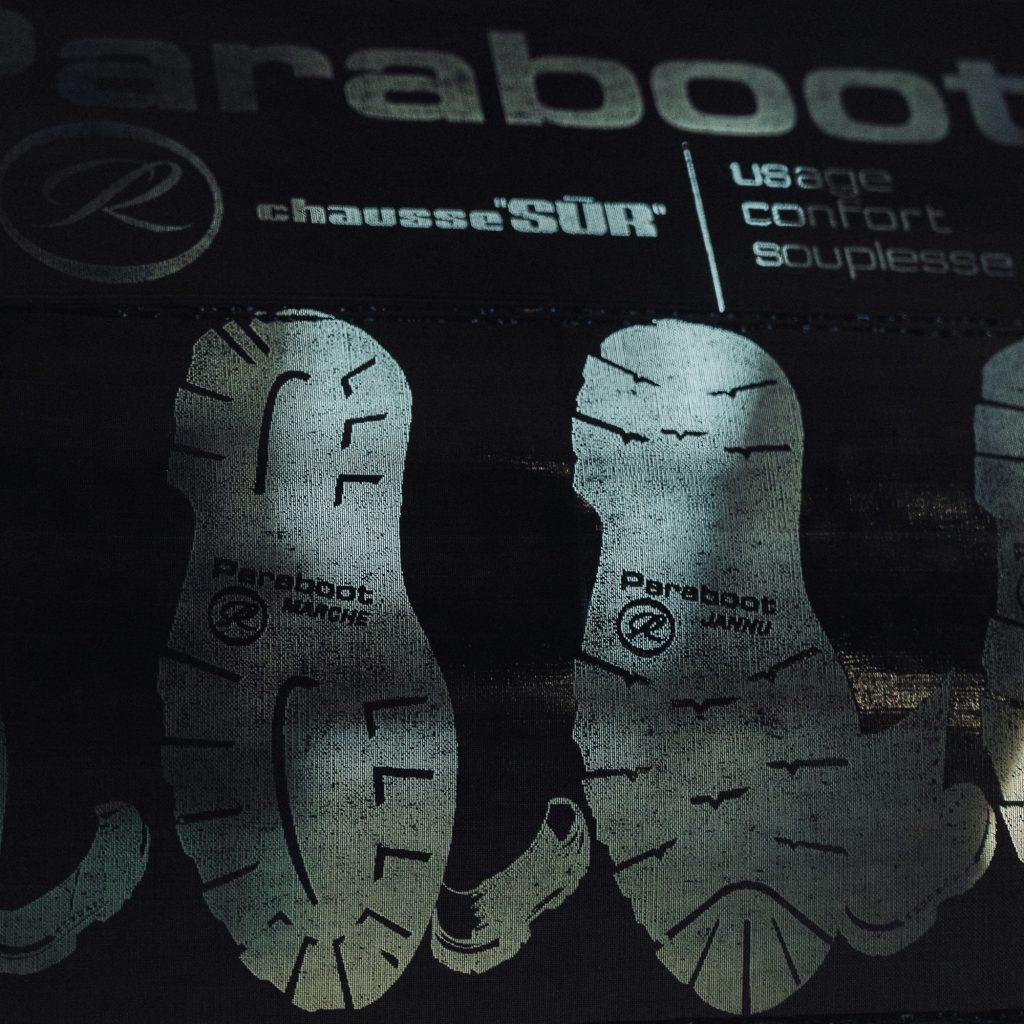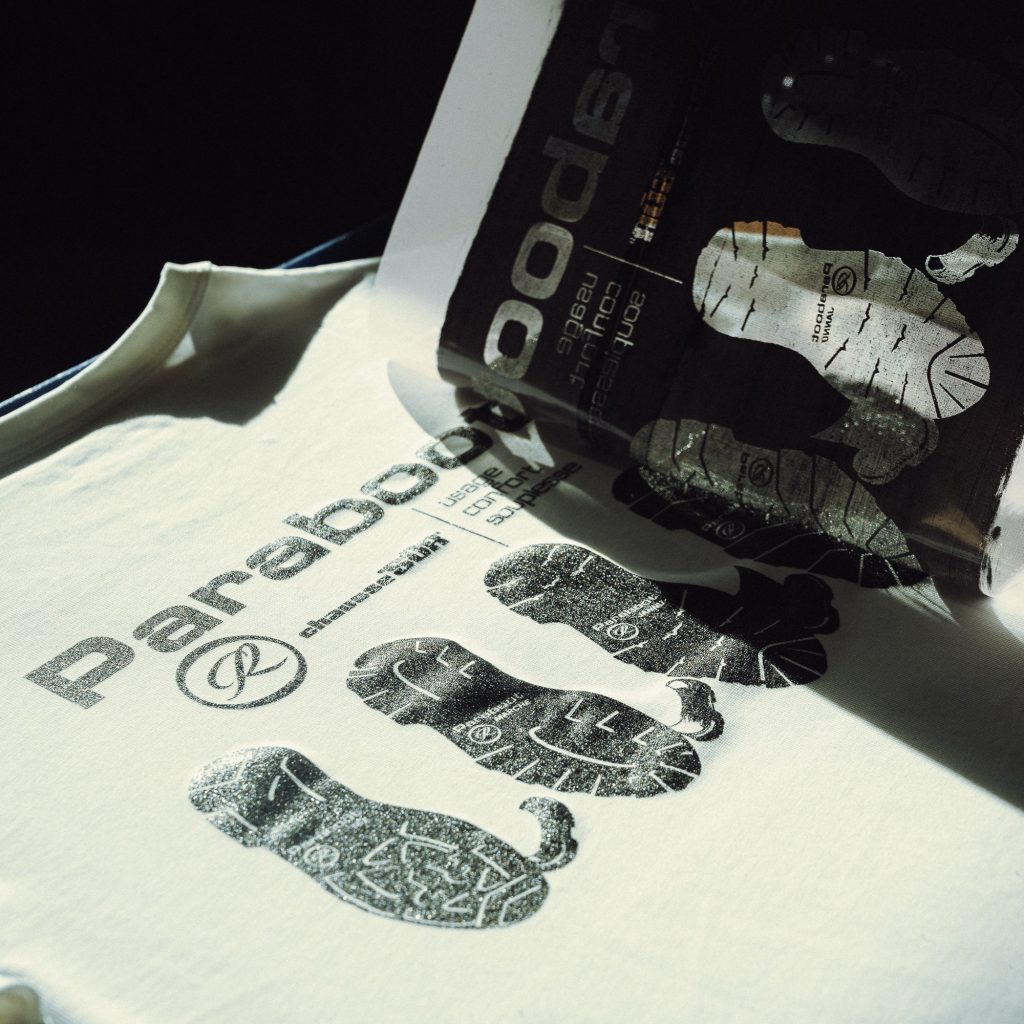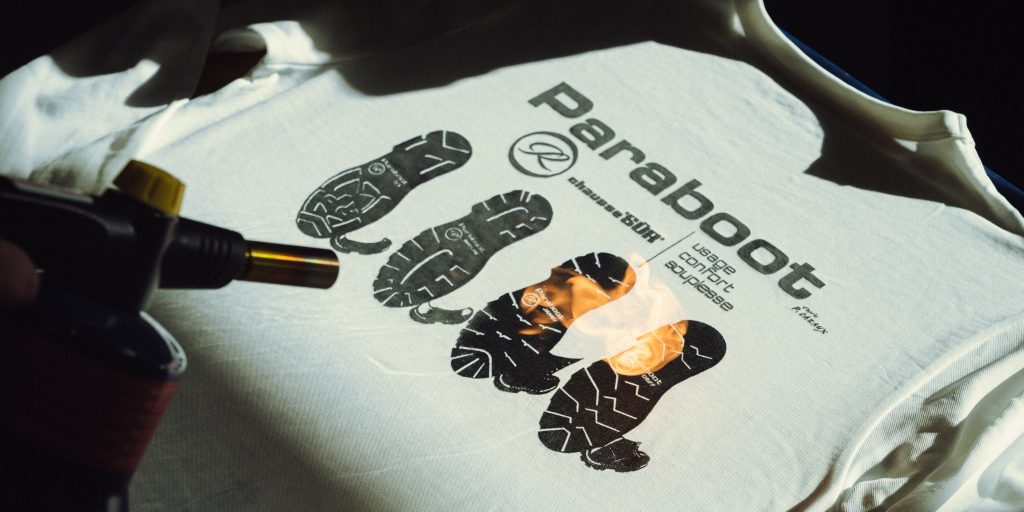
For its new Fall-Winter collection, Paraboot returns to one of the cornerstones of its identity: the rubber sole. For nearly a century, this material has been an integral part of the brand’s history and embodies its unique blend of comfort, durability, and craftsmanship.
Rubber: At the Heart of Paraboot’s DNA
The history of Paraboot begins with rubber. In 1926, during a trip to the United States, Rémy Richard, the company’s founder, discovered “boots” rubber overshoes designed to protect the leather soles of American walkers’ fine shoes. In 1927, he decided to adapt this material for his leather shoes using a stitching system, while also developing a process for molding rubber lugs to provide traction. The Paraboot sole was born from the combination of “Para” the Amazonian port from which latex was exported and “boot.” This name would become the brand’s name.
Since then, rubber has consistently defined the identity of this French manufacturer. Even today, Paraboot remains one of the few shoe companies to produce its own rubber soles. In its workshops in the Isère region, this craftsmanship has been passed down for nearly 100 years using a traditional process: vulcanization.
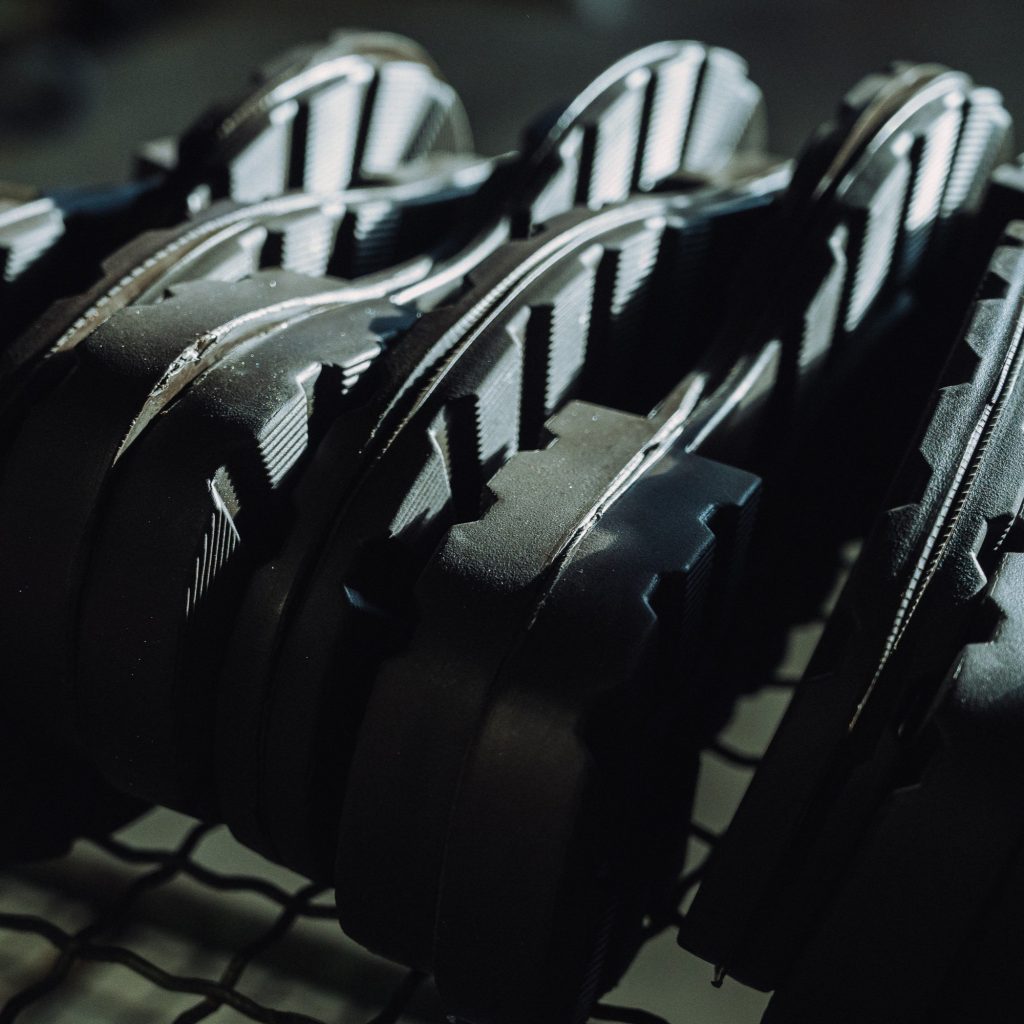
It all begins with a piece of rubber, called a blank, whose dimensions are tailored to the sole to be produced. Placed in the cavity of a metal mold set within a hydraulic press—which compresses and heats the mold to a precise temperature—the blank gradually takes on its final shape.
Like a giant “waffle iron,” the press transforms the rubber through the combined action of heat and pressure. This process, known as vulcanization and perfected in the mid-19th century by Charles Goodyear, gives the rubber the properties that make Paraboot soles unique: sufficient rigidity to withstand the test of time, combined with the elasticity needed for walking comfort.
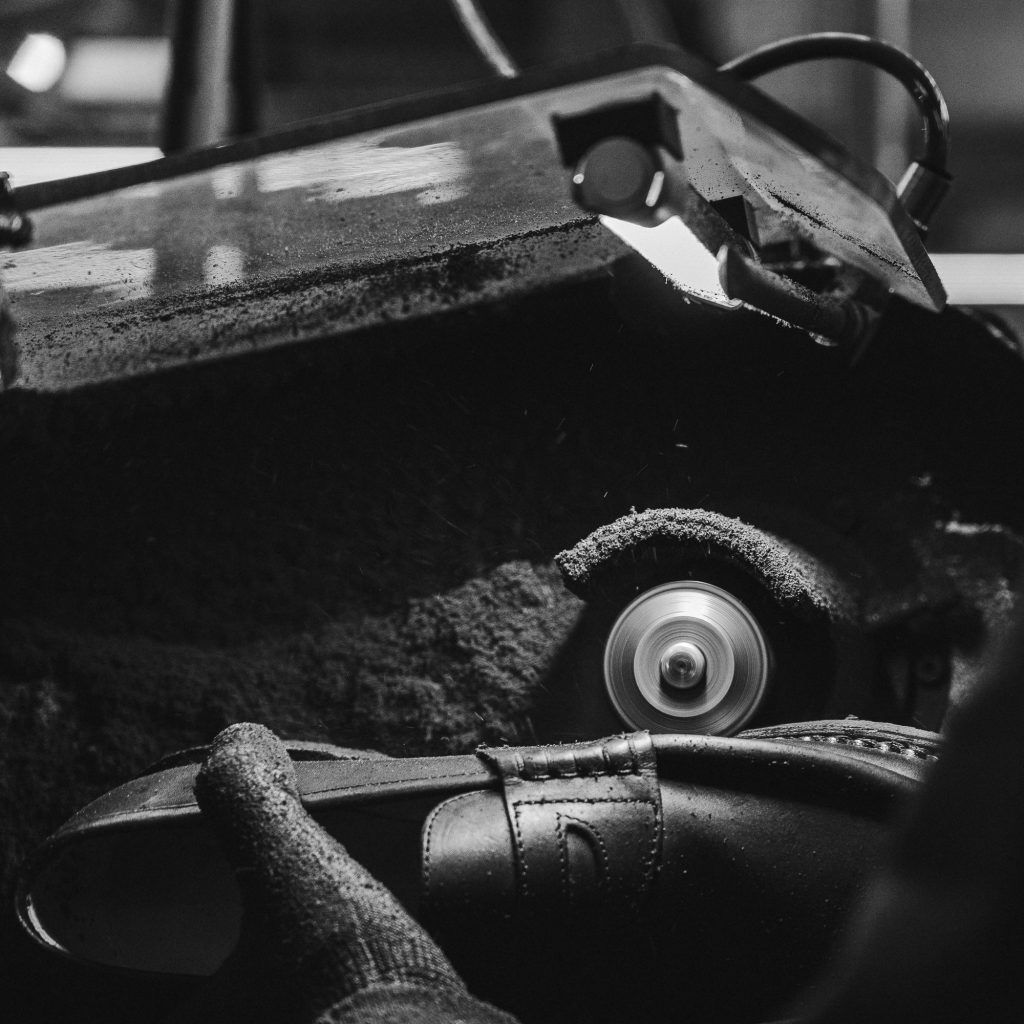
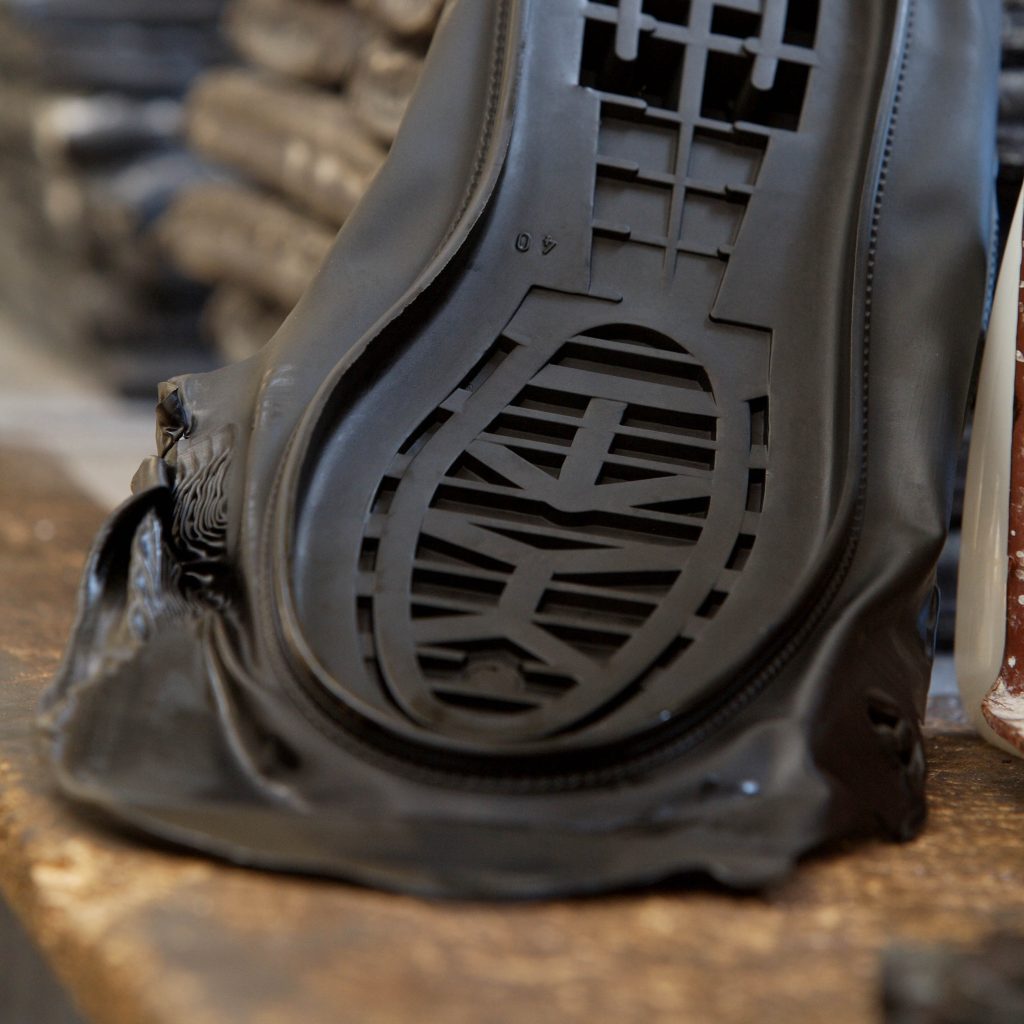
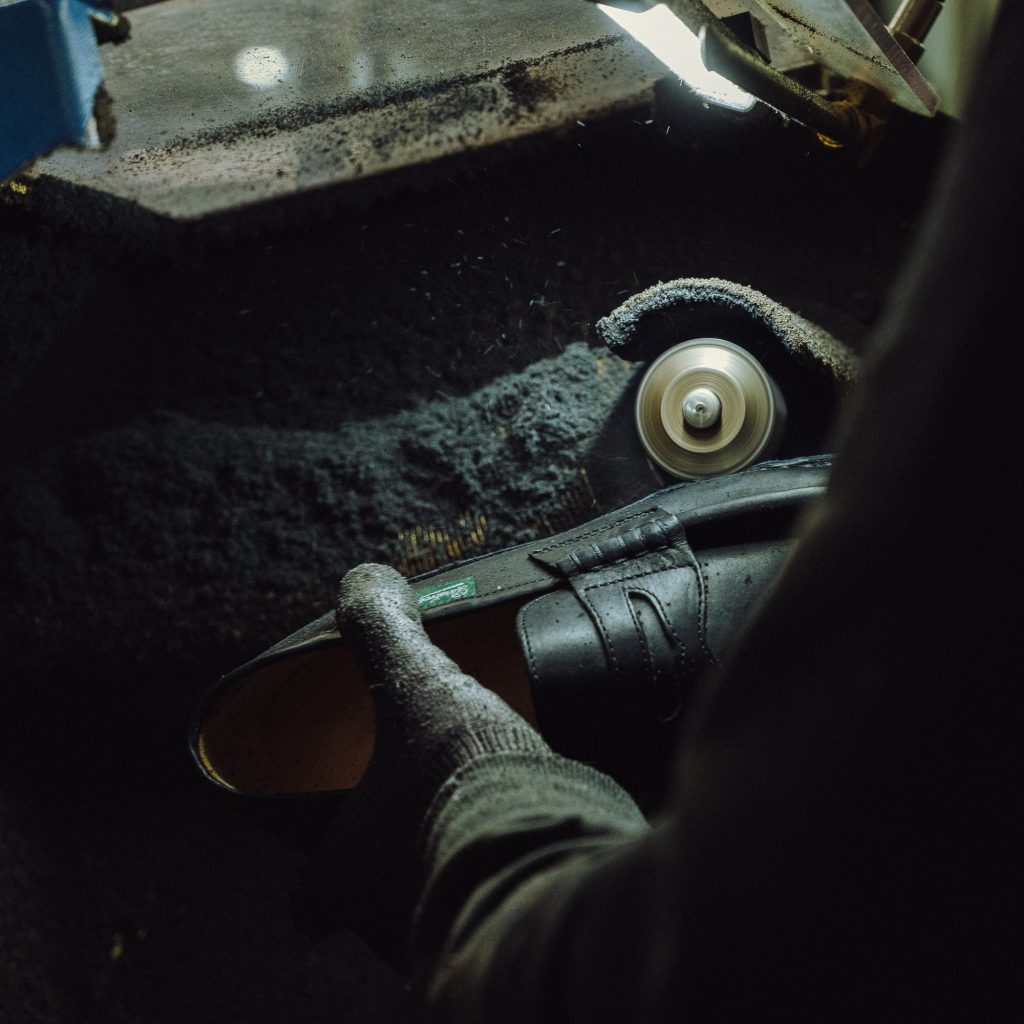
After a specified period of time, the sole is cooled and then carefully removed from the mold. At this point, it has its final properties but still requires one last step to achieve the expected level of finish. The compression process naturally creates a rubber burr around the part. This is removed during trimming, which is performed manually using specialized blades or knives, and then mechanically using machines equipped with milling cutters or abrasive wheels during the milling process. This process ultimately results in clean, precise edges free of residual defects and soles that are ready for use.
A blend of comfort, durability, and longevity
When Paraboot develops its rubber soles, they are designed to meet the needs of professionals who face demanding conditions on a daily basis. Farmers, loggers, and mail carriers benefit from a solution that provides better protection against wet surfaces while improving walking comfort.
The rubber sole stands out for its combination of features: high wear resistance, protection against moisture, and enhanced cushioning thanks to a honeycomb midsole that traps air. This time-honored blend of comfort and durability helps build Paraboot’s reputation and ensures that its shoes stand the test of time.

But at Paraboot, durability doesn’t depend solely on the strength of the materials. It also depends on how the shoe is constructed. The soles aren’t simply glued to the leather upper—they’re securely attached using traditional construction techniques, such as Norwegian stitching or Goodyear welting. When the rubber sole wears out after years of wear, the shoe can be completely resoleed while retaining its original upper.
It is this view of the shoe as a durable, repairable, and heirloom-quality item that allows Paraboot’s craftsmanship to be passed down through the generations.
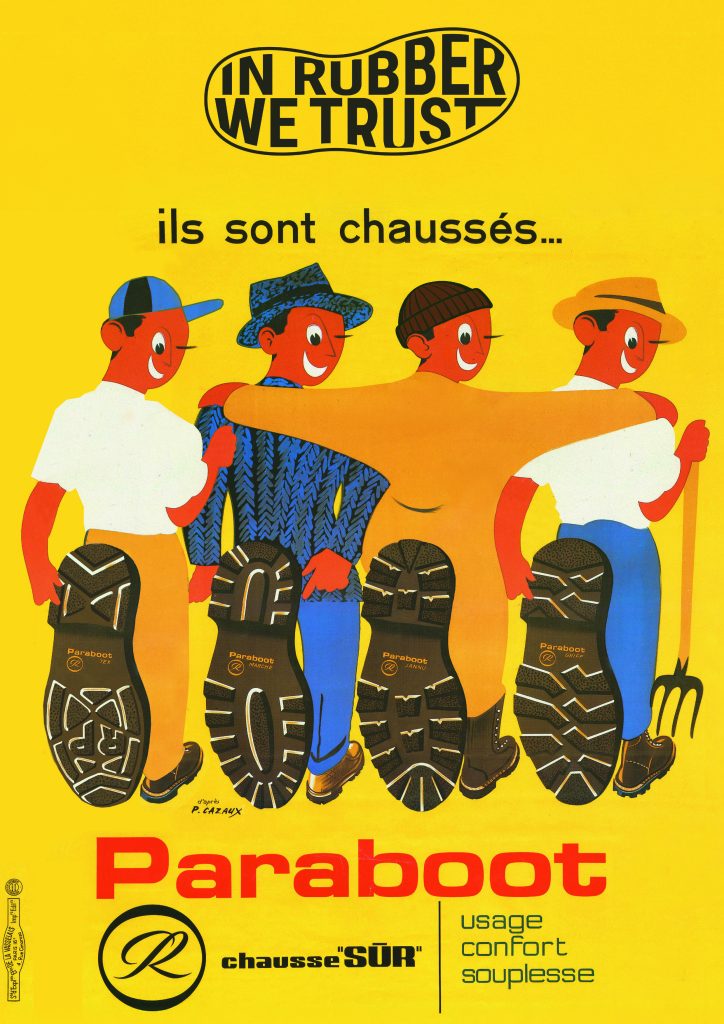
With “In Rubber We Trust, ” the brand celebrates much more than just a material. This motto echoes Paraboot’s very history and the conviction that has guided the company since its inception: rubber is both the foundation of the brand and at the heart of its craftsmanship.
For the Fall-Winter collection, the silhouettes evolve, but this signature remains. Behind every rubber sole lies a material crafted with precision, techniques passed down through generations, and an unwavering commitment to quality. It’s a reminder that a Paraboot shoe is defined not only by what you see, but also by what drives it forward.
Check out the new collection in our stores in France and Belgium and on our website!